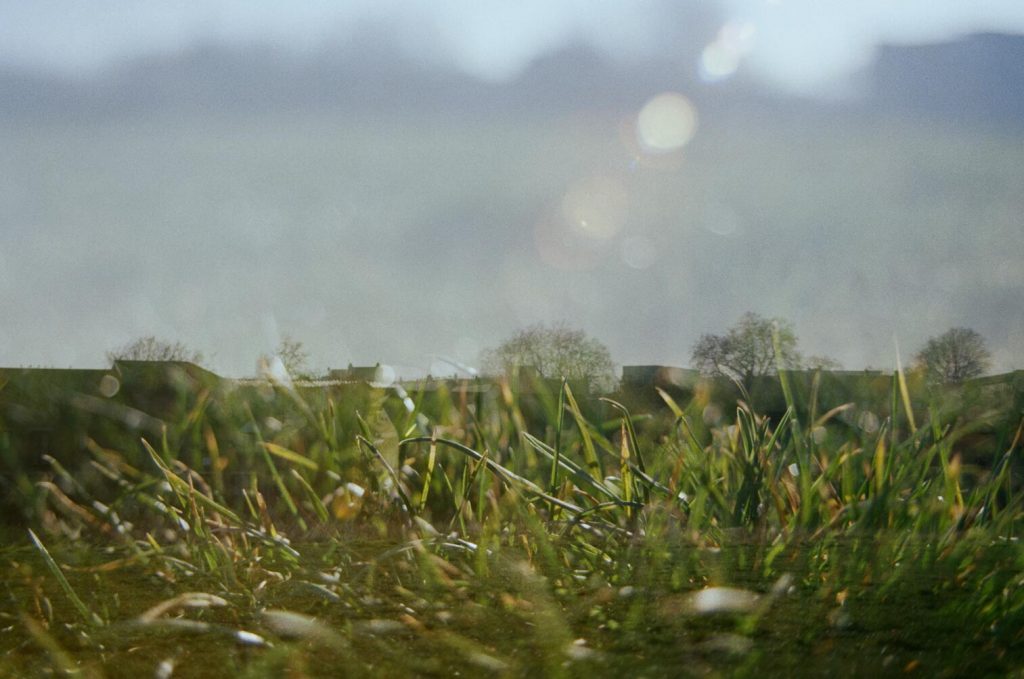
I’ve tested 12 (and counting) of the best 35mm film stocks using the same camera, capturing and sharing the results to guide you in selecting the ideal film for your needs.

For me, film photography is a cherished escape from the relentless pace of digital photography. In today’s world, we’re constantly capturing, downloading, editing, sharing, liking, and subscribing. Film photography strips away much of this hustle, allowing you to focus solely on the art of photography with your favorite film camera. But the question remains: how do you pick the best 35mm film for your specific projects?
Searching online, I found no true comparisons where someone had actually tested each film stock under consistent conditions to evaluate their differences—they were mostly compilations of Flickr photos. So, I took matters into my own hands. I ordered 12 different film rolls from Amazon (with more on the way) and invested hundreds of pounds into this project.
Over the past month, I’ve wandered through London with my camera, experimenting with various film types before and after work. My goal was to document the transition from winter to spring (my favorite time of year) in a familiar setting.
35mm Film Comparison: 12 Stocks I Tested
If you are choosing your first roll, the best 35mm film for beginners is usually a forgiving ISO 400 stock. Kodak UltraMax 400 and Ilford HP5 Plus 400 suit point-and-shoot cameras and changing light; Kodak Gold 200 and ColorPlus 200 give a warmer vintage look; Portra 400 is my portrait pick; and Ektar 100 or slide film suit bright landscape and travel photography. The table keeps the current and legacy films together because every stock below was part of the same hands-on comparison.
| Film | Type | ISO | Best for | Look | Availability | Price |
|---|---|---|---|---|---|---|
| Fujifilm Fujicolour C200 | Color negative | 200 | Beginners, daylight, budget shooting | Natural color; slightly cool | Varies by region | Check availability |
| Kodak ColorPlus 200 | Color negative | 200 | Budget photos, portraits, sunny days | Warm, classic color | Availability varies | Check availability |
| Kodak Gold 200 | Color negative | 200 | Travel, family photos, vintage look | Warm, saturated, nostalgic | Usually available | Check price |
| Fujicolor Pro 400H | Color negative | 400 | Portraits and soft color | Pastel tones; gentle contrast | Discontinued | Old stock only |
| Lomography Color Negative 400 | Color negative | 400 | Mixed light and creative color | Vibrant, punchy, analogue | Usually available | Check price |
| Kodak Portra 400 | Color negative | 400 | Portraits, skin tones, travel | Natural color; wide latitude | Usually available | Check price |
| Kodak UltraMax 400 | Color negative | 400 | Point-and-shoot, everyday use, lower light | Bold color; visible grain | Usually available | Check price |
| Kodak Ektar 100 | Color negative | 100 | Landscape, travel, fine detail | Very fine grain; rich color | Usually available | Check price |
| Ilford HP5 Plus 400 | Black and white | 400 | Beginners, street, indoor light, pushing | Classic grain; broad latitude | Usually available | Check price |
| AgfaPhoto APX 400 | Black and white | 400 | Street, portraits, value | Moderate contrast; fine grain | Usually available | Check availability |
| Fujifilm Velvia 50 | Slide film | 50 | Landscape and vivid color | High saturation; high contrast | Limited by region | Check availability |
| Fujichrome Provia 100F | Slide film | 100 | Travel, landscape, accurate color | Fine grain; natural color | Limited by region | Check availability |
Availability checked: July 2026. Retail stock changes quickly, especially for Fujifilm slide film and discontinued Pro 400H.
Affiliate disclosure: Some price links may earn Cultured Kiwi a commission at no extra cost to you. Read the full disclosure. These recommendations are based on the rolls and sample photos shown on this page; see how we review photography products.
Note: This is an ongoing comparison of current and legacy 35mm film stocks. As I test more film around the same area, I will add it below. If you have a request for a specific film, leave it in the comments and I will do my best to add it.

The Three Main Types of Film
There are three main types of 35mm camera film: color negative, black and white, and slide film. Each type then varies by ISO speed, grain, contrast and color rendering. The reviews and sample images below give practical examples of all three film types.
Color Negative Film
This film is what you’re probably most familiar with, and it’s also the most easily available today. When you take a photo with color negative film, you’ll see the image in inverted colors. Most photography centers can develop color-negative (C-41) prints for you at a reasonable cost.
Black and White Film
If you just love shooting black and white photos, you’ll be pleased to hear that black and white film isn’t expensive and it’s easy to get hold of. Furthermore, you can very easily develop black and white film at home. See also our article on How To Develop Film at Home here.
Slide Film
Without a doubt, slide film is the most expensive type of film around. You probably don’t want to start here. The advantage of using slide film is that you will see the image you captured just like a normal photograph. Slide film can sometimes be harder to get your hands on, and not all photography shops and centers can develop this film.

Things to Consider When Choosing a Film Stock
When choosing a 35mm film stock, start with ISO speed, the light you expect and the look you want. The comparison above also groups the tested rolls by common uses, including beginners, point-and-shoot cameras, portraits, street photography, lower light, landscape and travel.
Film Speed
You’ll probably see an ASA on the packaging of your film, such as 200, 400, or 800. This refers to the sensitivity of the film to light. A higher film speed will allow you to take better photos indoors or in low lighting, but you might get a more grainy image as a result.
A low ISO indicates a slower film speed. These low-speed films work best in daylight for a smooth, fine grain, but can struggle if the light isn’t perfect. You’ll need a longer shutter speed to get the same exposure as a high ASA film.
Which film you use is really up to you and where you will be shooting. For beginners or a point-and-shoot camera, ISO 400 is the safest all-round starting point because it handles changing light better than ISO 100 or 200 film. It can help indoors and in lower light, although you will still need a fast lens, flash or tripod after twilight.
Aesthetic
Finding the best film for you can be as much down to your own personal preferences as anything else. A great tip is to try out a few of the more affordable films to see which gives you the best results.
If you want a vintage look, Kodak Gold 200, ColorPlus 200 and Lomography Color Negative 400 are the most obvious starting points in this comparison. For cleaner skin tones or finer detail, compare them with Portra 400 and Ektar 100. The sample galleries make those differences easier to judge than product packaging alone.
Exposure Count
Lastly, you need to keep an eye out for the exposure count. This tells you how many photos you can take with your chosen film. It is generally 24 or 36. Just make sure you aren’t buying a cheaper film because you think you got a bargain, but then find out there are only 24 shots on a roll!

The 35mm Film Reviews
Let’s compare the 12 current and legacy 35mm film stocks I shot, including Kodak, Fujifilm, Lomography, Ilford and AgfaPhoto. The Kodak film comparison covers ColorPlus, Gold, Portra, UltraMax and Ektar, while the black-and-white and slide sections show how different film types handle grain, contrast and color. Each review includes sample photos taken in and around London under broadly comparable conditions.
Note: All films were shot with the Canon F1 where possible. You can also see our full Canon F1 Review here.
The Best Colour Negative Films
Here is my color negative film comparison. For beginners and budget shooting, start with C200, ColorPlus or Gold; for a point-and-shoot or changing light, UltraMax 400 is more flexible; for portraits, Portra 400 gives the most natural skin tones; and for landscape photography, Ektar 100 produces the finest grain and strongest color.
Fujifilm Fujicolour C200
Fujifilm C200 is a top consumer-grade film for negative photography. It is cheap and affordable, allowing anyone from beginners to enthusiasts to play around with film photography, try new ideas and techniques, and create some beautiful photos without having to break into their savings. The photos are generally pretty good quality, though you won’t get as crisp and sharp as with professional-grade films, and this film isn’t the best for indoor photography or in poor light.
Pros:
- Top budget pick
- Great for beginner photographers
- Availability varies by region
- Gives crisp photos in good lighting
- Creates photos with rich, natural and balanced colors and clean lines
Cons:
- Does not perform well in poor lighting or indoors
- You might get a greenish tinge in some photos
- Not always as sharp as you’d like your image to be
Fujifilm Fujicolour C200 sample images
Swipe, scroll or use the arrow buttons. Tap an image to open it in a new tab.